South Africa plays US and China trade game smartly
· Citizen
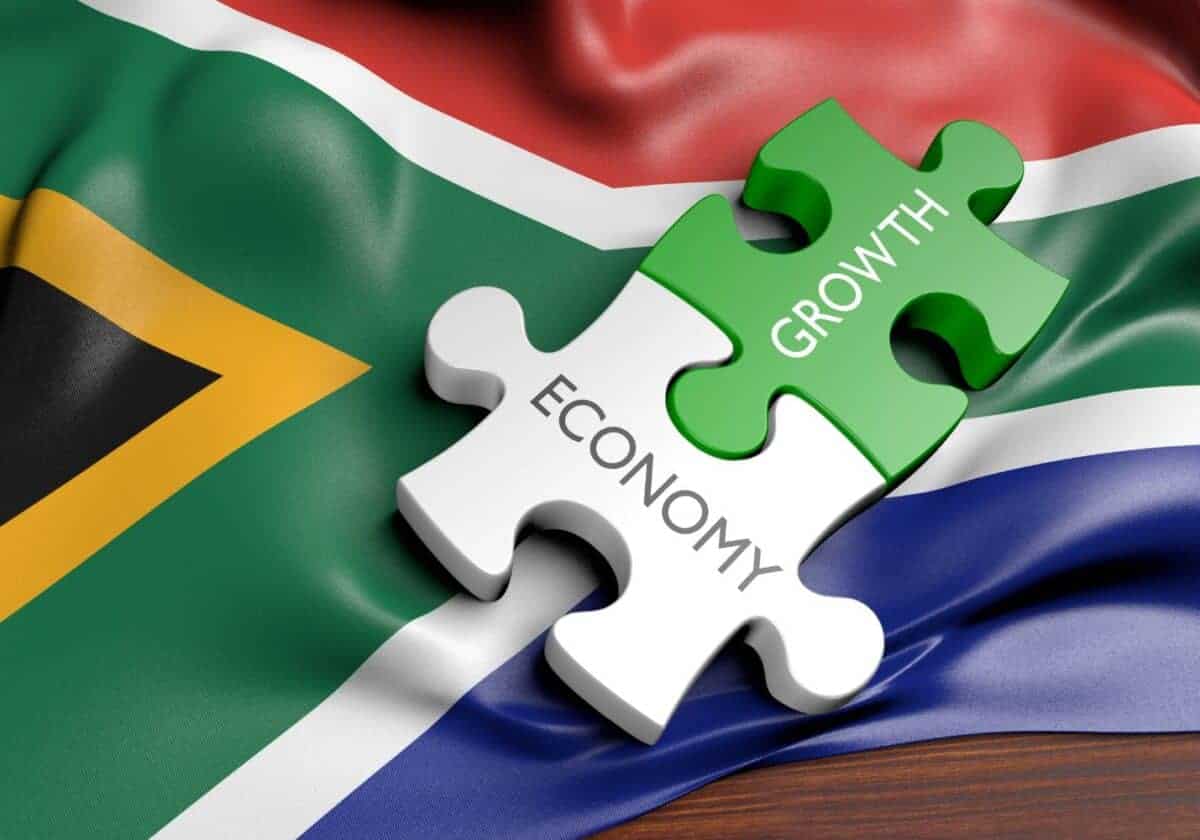
South Africa has played smartly by signing up with both the US and China for tariff-free access to their respective lucrative markets.
Although China’s much publicised China-Africa Economic Partnership Agreement (Caepa), a no-duty package signed last week in Beijing by Minister of Trade, Industry and Competition Parks Tau and Chinese Commerce Minister Wang Wentao, is designed for the long-term and the US’ African Growth and Opportunity Act (Agoa) will run for only one year, SA did well to participate in both.
Visit fishroad-app.com for more information.
Independent political analyst Goodenough Mashego said through its strategic approach of diplomatic neutrality SA achieved two objectives in both deals.
SA secures tariff-free access to US and Chinese markets
It played both economic giants, but also outsmarted the US, particularly by negotiating with China simultaneously.
The US was aware of ongoing SA-China talks on duty-free access to China’s market, which prompted Washington to renew SA’s participation in the US’ Agoa.
Lungelo Dlamini of Decode Communications, a Joburg-based reputation communications agency, said the SA-China trade deal “is a smart step in a difficult global economy”.
ALSO READ: Nersa’s mistakes turn 5.36% tariff increase into 8.76%
Dlamini said experts had thought US President Donald Trump would oppose the deal, which gave SA tariff-free access to China’s market.
“While that may be true, the real story goes deeper than personality or politics. This is not simply about Trump hating our deal with China. The bigger issue is how the US has damaged trust with its trading partners via unpredictable policies,” said Dlamini.
“When the rules keep changing, countries like SA must find reliable markets to buy our goods. China has offered duty-free access, which is a concrete benefit at a time when South African products face high tariffs in the US.”
Critic concerns on China dependence
Critics often worry that turning to China might make SA overly dependent on a single major trading partner.
“That’s a valid concern because China’s trade with many African countries has sometimes been unbalanced, with Africa exporting mostly raw materials and importing mostly manufactured goods,” said Dlamini.
“South Africa must safeguard its own industries and ensure the deal benefits its local workers and businesses.”
ALSO READ: Joburg rejects billing system failure claims amid mounting debt
Mashego said Agoa’s delayed renewal was to buy time for Trump to use Agoa as leverage to put pressure on SA to drop its genocide case against Israel at the International Court of Justice.
But the US realised its strategy was not working, as South Africa refused to drop the ICJ case and, instead, accelerated tariff talks with China. South Africa’s inclusion in Agoa is aimed at ensuring the US is not outwitted by China.
Additionally, the fact the US’ European partners, Canada and South Korea signed deals with Beijing was the straw that broke the camel’s back. Readmitting Pretoria to Agoa showed Trump was wary of losing it to China.
US realised strategy was not working
“It was already obvious from American sources that SA was negotiating with China regarding tariffs. The speed at which Parks Tau and others started negotiating with China already anticipated that, if the US does not include SA, the duty-free regime with China would kick in.
“Securing SA’s duty-free access to the Chinese market would have circumvented its exclusion from Agoa,” Mashego said.
Having the Agoa and Caepa deals running in tandem would boost the country’s economy.
ALSO READ: Sharp decrease in SA automotive exports in December due to uncertainty around US tariffs
Even before this, SA’s economy has been in the ascendancy due to China’s support. But SA had been able to avoid being caught in the middle of a geopolitical fight between the two economic elephants despite frenzied US pressure for it to abandon China.
Mashego said the Agoa and China-SA deals indicate economic growth is expected in SA.
“This means SA will benefit from 6.1% tariff-free access through Agoa and also from the Chinese market under the new agreement. This means there should be a boom for SA producers and job creation.”
SA farmers, manufacturers could sell more products
Dlamini said by exporting tariff-free into the Chinese market, SA farmers and manufacturers could sell more products. “This can support jobs and help grow our economy,” Dlamini added.
According to Mashego, SA made a good move because it does not want be accused of being closer to one side.
“SA doesn’t have a hostile relationship with the US. It’s the Trump administration that is provoking a hostile relationship.”
NOW READ: Nersa members perplexed by Eskom application for smelter tariffs