What Is Vagueposting & Why It Might Be the New Emotional Clickbait Of 2026
· Free Press Journal
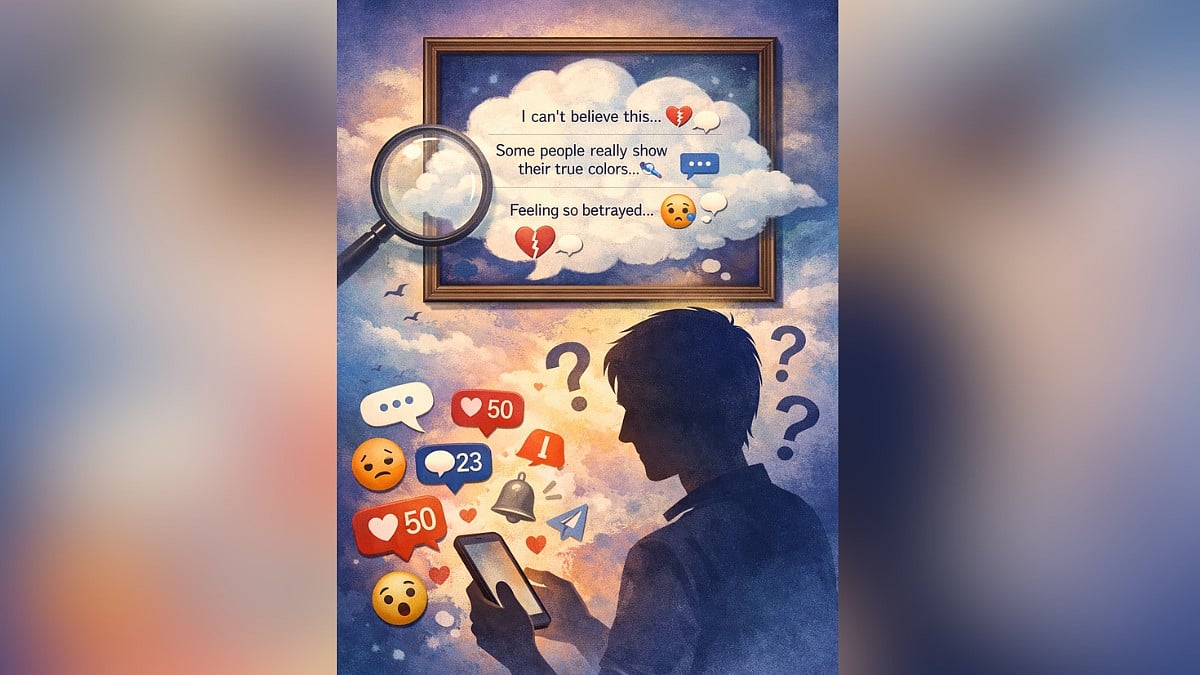
Social media has changed the way we share our feelings. In the past, people wrote long diary entries or called a close friend when something big happened. Today, many people post short, mysterious messages online instead. These posts might say things like, “I can’t believe this happened” or “Some people really show their true colors,” without explaining what actually happened. This trend is often called vagueposting.
Vagueposting is the act of sharing a cryptic message that hints at drama, conflict, or strong emotions but leaves out important details. It has become common on platforms like Instagram, Twitter (now known as X), and Facebook. But why is this happening? And is it harmless self-expression or a new kind of emotional clickbait?
Visit chickenroadslot.pro for more information.
Here are six reasons why vagueposting might be the new emotional clickbait.
1. Ambiguity Sparks Curiosity
Humans are naturally curious. When we see a post that hints at drama but gives no details, we want to know more. Our brains do not like missing information. This is known as the “curiosity gap.” A vague message creates a small mystery. Followers may comment, send direct messages, or keep checking back for updates. In this way, vagueposting works like clickbait headlines that make people click on a news article. The difference is that instead of selling news, the post is selling emotion.
“Vagueposting works because the brain craves closure. Ambiguous emotional hints trigger curiosity, empathy, and concern, keeping people engaged without full disclosure. In a digital economy that rewards attention, uncertainty becomes a strategy, blurring the line between self-expression, validation-seeking, and emotional clickbait,” says Ekta Dharia, clinical psychologist and psychotherapist.
2. Algorithms Reward Emotional Content
Social media platforms are powered by algorithms. These systems decide which posts are shown to more people. Posts that get more likes, comments, and shares are often pushed to a larger audience. Emotional posts tend to get strong reactions. If someone writes a vague message about being hurt or betrayed, friends may respond quickly with concern. This extra engagement tells the platform that the content is interesting. As a result, the algorithm may show it to even more people. In this way, vagueposting can become a strategy, whether intentional or not, to increase visibility and attention.
Raahi Doshi, a content creator, says, “Vagueposting is trending because it can generate attention and sometimes even income. Many creators use storytelling techniques to build suspense and keep audiences hooked. But once audiences fully understand how the algorithm works, this strategy may lose its impact. As a content creator, I believe authenticity matters. Social media works best when people are real rather than relying only on emotional suspense.”
3. It Allows Privacy While Sharing Feelings
Not everyone wants to share every detail of their personal life online. Vagueposting can be a way to express emotion without exposing private information. A person might feel angry, sad, or disappointed but not want to name the person or event involved. In this sense, vagueposting can protect privacy. It allows someone to say, “I’m going through something,” without giving away the full story. For many users, this feels safer than posting a long explanation. However, this balance between privacy and attention can be tricky. When too little information is shared, followers may feel confused or worried.
Blood Moon Of March 2026: A Global Karmic Reset In The Zodiac Sign Leo4. It Creates a Sense of Drama
Drama attracts attention. A mysterious post can make everyday problems seem bigger or more exciting. It can also turn small personal conflicts into public events. Some critics argue that vagueposting is a way of inviting others to ask questions. When followers comment, “What happened?” or “Are you okay?” it creates a spotlight on the person who posted. This attention can feel comforting, especially during emotional moments. But it can also become manipulative. If someone repeatedly posts dramatic hints without explanation, it may feel like they are using emotion to control the reactions of others.
“Emotional clickbait leverages curiosity because uncertainty naturally heightens engagement. Vague communication often reflects an internal conflict between the need for connection and the fear of vulnerability. When individuals feel powerless in private situations, they may regain a sense of control through public signalling. While attention can temporarily regulate emotional distress, it rarely resolves the underlying issue,” says Dipal Mehta, a Mumbai-based practising counsellor and psychologist.
5. It Reflects Changing Communication Styles
Digital communication is different from face-to-face conversation. Online, people often communicate in short phrases, emojis, or indirect messages. Vagueposting may simply be part of this shift. Younger generations, especially those active on platforms like Instagram and Snapchat, are used to fast, emotional updates. Instead of long stories, they post quick thoughts that capture a feeling in the moment. In this context, vagueposting may not be meant as manipulation. It may just be a modern way of saying, “I’m not okay today,” without writing a full explanation.
6. It Can Create Anxiety for Followers
While vagueposting can help the person posting, it can have a different effect on followers. When someone reads a mysterious message, they may worry that something serious has happened. If they are close to the person, they might feel stress or pressure to reach out immediately.
Over time, repeated vague posts can cause emotional fatigue. Followers may feel confused or frustrated because they are asked to care about a problem they do not fully understand. This can weaken trust and connection. In extreme cases, vagueposting can damage relationships. Friends may feel excluded or manipulated if they believe the post is aimed at them but not clearly addressed.
Ayushman Pandita, founder of Growthrocket.ai, says, “Humans naturally enjoy solving puzzles and speculating. Add controversy, and you have the perfect recipe for virality. Many brands and celebrities are now using this formula for quick attention. In the short term, it works. But over time, audiences may become desensitized, dismissing even serious issues as gimmicks. And as more brands adopt the same tactic, it loses its novelty and stops driving the same level of engagement.”
Harmless Expression or Emotional Clickbait?
So, is vagueposting harmless self-expression or emotional clickbait?
The answer may depend on intention. If someone posts vaguely to protect their privacy while processing emotions, it can be a healthy way to cope. Not every feeling needs a full explanation. However, if vagueposting is used to gain attention, create drama, or pressure others into responding, it starts to look more like emotional clickbait. Just like misleading headlines on news websites, these posts may use mystery and emotion to pull people in.
Experts in digital communication often suggest balance. Clear communication builds trust. While it is natural to share feelings online, it may be better to speak directly with close friends about serious issues. In the end, vagueposting reflects the way social media has blended private emotion with public performance. It shows how our need for connection, attention, and privacy now plays out on a digital stage. Whether it is harmless or manipulative depends not only on the words in the post but also on the reasons behind them.